Winter Camping in California
Can't resist the call of the wild? Does summer seem too far away to wait to hit the great outdoors? Many people only think of camping as a summertime activity, but for many of us we simply can't wait around half the year before getting back out in open. Luckily California has many amazing places where you can camp during the winter months. Winter camping is usually cheaper and less crowded than camping in the summer and you will also get to experience California in a whole different way.
California has blessed us outdoor lovers with a variety of different landscapes and climates to experience. And while the high sierras are covered in snow, the Mojave Desert and Pacific Coast beckon campers to come and experience their winter beauty. The beach is usually the best place to go to escape the cold inland winters thanks to the moderate temperatures experienced year round. Of course for true adventure seekers there are also opportunities for snow camping in the higher elevations, so why not pair a ski trip with a camping trip? Regardless of where you choose, these places are downright beautiful, yet few people have experienced this beauty in the wintertime. They are calling for you to come visit!
Angel Island - Northern California / San Francisco Bay Area
As a Bay Area resident I am very fond of Angel Island... when it isn't overflowing with people. It is a quick trip to anyone in the Bay Area of Sacramento regions, and it has absolutely spectacular views of the San Francisco Bay, including the San Francisco Skyline, the Golden Gate Bridge, the Bay Bridge and views of Tiburon and Sausalito. Rain and thick fog are common for Bay Area winters but relative to the rest of Northern California the temperatures are pleasantly moderate. The past five years have seen very dry winters in the Bay thanks to the terrible drought we've experience, but this year's El Nino has already poured rain across the state, so be expecting wet weather if you choose to visit Angel Island this winter. From December through March daytime high temperatures average 56-61 degrees fahrenheit and nighttime lows average 41-45 degrees fahrenheit, so there really isn't too much difference between night and day. The eastern side of the island is better sheltered from the ocean breezes but the western side gives a front row view of amazing sunsets under the Golden Gate Bridge. East Bay Sites and Sunrise Sites are located on the eastern side of the island near Fort McDowell. Ridge Sites and Kayak Camp are located on the western side of the island near Camp Reynolds. For more information on the campsites check out the brochure and park map from the park's website. Note that some of the information is outdated but most is still relevant.
Getting to Angel Island is half the fun of the trip. Public ferries run from Tiburon via the Angel Island Ferry and from Pier 41 and the Ferry Building in San Francisco via the Blue and Gold Fleet. Adult tickets cost $15 from Tiburon and $9 from San Francisco. These fares include the park entrance fee as well. Note that during the winter months these ferries only run on weekends, so the earliest you can get to the island is Saturday morning and the latest you can stay is Sunday late afternoon unless you plan to stay the whole week. But there are other options! You can use your own private boat or borrow a friends. Or if you're like me and don't own a boat you can charter a private boat or take Tideline Water Taxi. Tideline is a great option, it is pretty expensive but it is still cheaper than chartering a boat and provides the most personalized schedule and service, so you won't be limited by the ferry schedules.
Big Sur - Central Coast
Big Sur on the California Central Coast is an absolute gem. It epitomizes all the beauty California's rugged Pacific Coast has to offer. From hundred foot redwoods, backwoods trails and miles of beaches, Big Sur has it all. And thanks to its proximity to the ocean it stays relatively moderate in the winter time, with average high temperatures from December through March ranging from 60-63 degrees fahrenheit and average low temperatures around 43 degrees fahrenheit. As always, in the winter you must be prepared for rain, heavy fog and ocean winds. Big Sur is very busy during the summer months, but during the winter the crowds have dispersed, leaving you with miles of empty trails and beaches to explore.
Perhaps the most amazing part about winter camping in Big Sur is the chance to watch the majestic Gray Whales migrate between Alaska and Baja California. December through early February you can see the whales migrating south, and beginning in February you can see them migrate north with their newborn calves. It is truly a once in a lifetime opportunity to see these beautiful creatures in their natural habitat.
Big Sur has many campgrounds which can be found here. For those of you looking for a little more warmth and comfort I would suggest one of the campgrounds with cabins, such as Big Sur Campgrounds and Cabins or Riverside Campground. Both of these campgrounds also offer many tent and RV sites in addition to their cabin accommodations. Another recommendation for tent and RV camping is Kirk Creek Campground. Kirk Creek is a beautiful campground located on a huge bluff overlooking the ocean. Due to its open location it is susceptible to strong winds and moisture so prepare yourself for that if you choose to stay there.
Lake Tahoe - Northern California / Sierra Nevada Mountains
For those wanting to truly experience the winter, then snow camping on the shores of Lake Tahoe is right for you. During the summer months Lake Tahoe is one of the most popular camping destinations in the world. During the winter months it is one of the most popular skiing destinations in the world. Basically Lake Tahoe is awesome and everyone wants to go there regardless of what month it is.
Sugar Pine Point State Park on the western shore of Lake Tahoe offers the best of both worlds. The camp is one of the only campgrounds in the region open during the winter months for snow camping, and it conveniently located only minutes from some of the world's greatest alpine ski resorts. Homewood Resort (8 mins), Squaw Valley Resort and Alpine Meadows (32 mins), Heavenly Mountain Resort (45 mins) and Northstar California Resort (50 mins) are all located within an hour drive of the campground. Sugar Pine campground is also a great choice for any first time snow campers since it isn't far off the beaten path, so any services are accessible nearby.
Sugar Pine Point State Park also offers some of the best cross country skiing and snowshoeing trails the Lake Tahoe region has to offer, all with easy access from the campground. In fact it was these trails which were used for the biathlon and cross-country skiing events in the 1960 Squaw Valley Olympic Winter Games.
And if you still aren't up to tent camping in the snow you always have the option to find some amazing local cabins to stay in. Airbnb is your best bet for booking one of these.
Mt. San Jacinto State Park - Southern California / San Jacinto Mountains
Snow camping is also readily accessible in Southern California in the beautiful Mt. San Jacinto State Park. Idyllwild Park offers year round camping. Tent camping and RVs are welcome on a first-come/first-serve basis November through March. The campground is located less than three hours from both Los Angeles and San Diego, making it a great option for those looking for a weekend escape from the city life. Snowshoeing and sledding are very popular activities at the park during the winter months.
There is plenty to do in and around the State Park. Including visiting different parts of the Santa Rosa and San Jacinto Mountains National Monument or hiking a portion of the Pacific Crest Trail. You can even spend an afternoon riding the world famous Palm Springs Aerial Tramway, which takes you from Chino Canyon near Palm springs up nearly 6,000 feet to the Mountain Station.
Death Valley National Park - Southern California / Mojave Desert
Death Valley is quite amazing. On July 12, 2012 Furnace Creek in Death Valley National Park broke a heat record when the low temperature was 103 degrees fahrenheit, tying the world record for highest low temperature in a day. Then on July 10, 2013 Furnace Creek broke another heat record with a high temperature of 134 degrees fahrenheit (!!!), breaking the US record previously set in 1913. Needless to say you won't be dealing with these hellish temperatures during the winter months, in fact Death Valley is downright pleasant during the winter. Average high temps from December through March range from 67 to 81 degrees fahrenheit with average lows ranging from 38 to 53 degrees fahrenheit.
Since Death Valley is in the middle of the desert it is susceptible to big swings in temperatures, with nighttime lows dropping below freezing. This is where winter desert camping mostly differs from winter beach camping. In the desert the temperatures can swing dramatically from day to night while near the ocean the temperatures remain relatively stable.
Tent and RV camping is available at Furnace Creek RV Park and Fiddler's Campground for $18/night or at Mesquite Spring for $12 a night. Both campgrounds have RV dump stations and flush toilets. For tent campers you can stay at Emigrant or Wildrose Campgrounds. (note: Wildrose accepts any vehicles under 25 feet, Emigrant is tent camping only)
Joshua Tree National Park - Southern California / Mojave Desert
Another great desert camping destination in Southern California is Joshua Tree National Park. The park is easy to access, located only about 2.5 to 3.5 hrs from Los Angeles (depending on traffic of course). Like Death Valley, Joshua Tree is located in the middle of the desert, so while it can be blistering hot during the summer months, it is very pleasant during the winter. With average high temperatures from January through March ranging from 60-70 degrees fahrenheit and average low temperatures ranging from 35 to 42 degrees fahrenheit. For a list of all the campgrounds in Joshua Tree National Park check out here. For a campground in the northern portion of the park I suggest Jumbo Rocks Campground, which costs $15/night and is first-come/first-serve. There is no water and only pit toilets at Jumbo Rocks Campground so be sure you come prepared. For those looking for a campground in the southern portion of the park I suggest Cottonwood Campground for $20/night, which has a dump station, water and flush toilets.
California has blessed us outdoor lovers with a variety of different landscapes and climates to experience. And while the high sierras are covered in snow, the Mojave Desert and Pacific Coast beckon campers to come and experience their winter beauty. The beach is usually the best place to go to escape the cold inland winters thanks to the moderate temperatures experienced year round. Of course for true adventure seekers there are also opportunities for snow camping in the higher elevations, so why not pair a ski trip with a camping trip? Regardless of where you choose, these places are downright beautiful, yet few people have experienced this beauty in the wintertime. They are calling for you to come visit!
Angel Island - Northern California / San Francisco Bay Area
As a Bay Area resident I am very fond of Angel Island... when it isn't overflowing with people. It is a quick trip to anyone in the Bay Area of Sacramento regions, and it has absolutely spectacular views of the San Francisco Bay, including the San Francisco Skyline, the Golden Gate Bridge, the Bay Bridge and views of Tiburon and Sausalito. Rain and thick fog are common for Bay Area winters but relative to the rest of Northern California the temperatures are pleasantly moderate. The past five years have seen very dry winters in the Bay thanks to the terrible drought we've experience, but this year's El Nino has already poured rain across the state, so be expecting wet weather if you choose to visit Angel Island this winter. From December through March daytime high temperatures average 56-61 degrees fahrenheit and nighttime lows average 41-45 degrees fahrenheit, so there really isn't too much difference between night and day. The eastern side of the island is better sheltered from the ocean breezes but the western side gives a front row view of amazing sunsets under the Golden Gate Bridge. East Bay Sites and Sunrise Sites are located on the eastern side of the island near Fort McDowell. Ridge Sites and Kayak Camp are located on the western side of the island near Camp Reynolds. For more information on the campsites check out the brochure and park map from the park's website. Note that some of the information is outdated but most is still relevant.
Getting to Angel Island is half the fun of the trip. Public ferries run from Tiburon via the Angel Island Ferry and from Pier 41 and the Ferry Building in San Francisco via the Blue and Gold Fleet. Adult tickets cost $15 from Tiburon and $9 from San Francisco. These fares include the park entrance fee as well. Note that during the winter months these ferries only run on weekends, so the earliest you can get to the island is Saturday morning and the latest you can stay is Sunday late afternoon unless you plan to stay the whole week. But there are other options! You can use your own private boat or borrow a friends. Or if you're like me and don't own a boat you can charter a private boat or take Tideline Water Taxi. Tideline is a great option, it is pretty expensive but it is still cheaper than chartering a boat and provides the most personalized schedule and service, so you won't be limited by the ferry schedules.
Big Sur - Central Coast
Big Sur on the California Central Coast is an absolute gem. It epitomizes all the beauty California's rugged Pacific Coast has to offer. From hundred foot redwoods, backwoods trails and miles of beaches, Big Sur has it all. And thanks to its proximity to the ocean it stays relatively moderate in the winter time, with average high temperatures from December through March ranging from 60-63 degrees fahrenheit and average low temperatures around 43 degrees fahrenheit. As always, in the winter you must be prepared for rain, heavy fog and ocean winds. Big Sur is very busy during the summer months, but during the winter the crowds have dispersed, leaving you with miles of empty trails and beaches to explore.
Perhaps the most amazing part about winter camping in Big Sur is the chance to watch the majestic Gray Whales migrate between Alaska and Baja California. December through early February you can see the whales migrating south, and beginning in February you can see them migrate north with their newborn calves. It is truly a once in a lifetime opportunity to see these beautiful creatures in their natural habitat.
Big Sur has many campgrounds which can be found here. For those of you looking for a little more warmth and comfort I would suggest one of the campgrounds with cabins, such as Big Sur Campgrounds and Cabins or Riverside Campground. Both of these campgrounds also offer many tent and RV sites in addition to their cabin accommodations. Another recommendation for tent and RV camping is Kirk Creek Campground. Kirk Creek is a beautiful campground located on a huge bluff overlooking the ocean. Due to its open location it is susceptible to strong winds and moisture so prepare yourself for that if you choose to stay there.
Lake Tahoe - Northern California / Sierra Nevada Mountains
For those wanting to truly experience the winter, then snow camping on the shores of Lake Tahoe is right for you. During the summer months Lake Tahoe is one of the most popular camping destinations in the world. During the winter months it is one of the most popular skiing destinations in the world. Basically Lake Tahoe is awesome and everyone wants to go there regardless of what month it is.
Sugar Pine Point State Park on the western shore of Lake Tahoe offers the best of both worlds. The camp is one of the only campgrounds in the region open during the winter months for snow camping, and it conveniently located only minutes from some of the world's greatest alpine ski resorts. Homewood Resort (8 mins), Squaw Valley Resort and Alpine Meadows (32 mins), Heavenly Mountain Resort (45 mins) and Northstar California Resort (50 mins) are all located within an hour drive of the campground. Sugar Pine campground is also a great choice for any first time snow campers since it isn't far off the beaten path, so any services are accessible nearby.
Sugar Pine Point State Park also offers some of the best cross country skiing and snowshoeing trails the Lake Tahoe region has to offer, all with easy access from the campground. In fact it was these trails which were used for the biathlon and cross-country skiing events in the 1960 Squaw Valley Olympic Winter Games.
And if you still aren't up to tent camping in the snow you always have the option to find some amazing local cabins to stay in. Airbnb is your best bet for booking one of these.
Mt. San Jacinto State Park - Southern California / San Jacinto Mountains
Snow camping is also readily accessible in Southern California in the beautiful Mt. San Jacinto State Park. Idyllwild Park offers year round camping. Tent camping and RVs are welcome on a first-come/first-serve basis November through March. The campground is located less than three hours from both Los Angeles and San Diego, making it a great option for those looking for a weekend escape from the city life. Snowshoeing and sledding are very popular activities at the park during the winter months.
There is plenty to do in and around the State Park. Including visiting different parts of the Santa Rosa and San Jacinto Mountains National Monument or hiking a portion of the Pacific Crest Trail. You can even spend an afternoon riding the world famous Palm Springs Aerial Tramway, which takes you from Chino Canyon near Palm springs up nearly 6,000 feet to the Mountain Station.
Death Valley National Park - Southern California / Mojave Desert
Death Valley is quite amazing. On July 12, 2012 Furnace Creek in Death Valley National Park broke a heat record when the low temperature was 103 degrees fahrenheit, tying the world record for highest low temperature in a day. Then on July 10, 2013 Furnace Creek broke another heat record with a high temperature of 134 degrees fahrenheit (!!!), breaking the US record previously set in 1913. Needless to say you won't be dealing with these hellish temperatures during the winter months, in fact Death Valley is downright pleasant during the winter. Average high temps from December through March range from 67 to 81 degrees fahrenheit with average lows ranging from 38 to 53 degrees fahrenheit.
Since Death Valley is in the middle of the desert it is susceptible to big swings in temperatures, with nighttime lows dropping below freezing. This is where winter desert camping mostly differs from winter beach camping. In the desert the temperatures can swing dramatically from day to night while near the ocean the temperatures remain relatively stable.
Tent and RV camping is available at Furnace Creek RV Park and Fiddler's Campground for $18/night or at Mesquite Spring for $12 a night. Both campgrounds have RV dump stations and flush toilets. For tent campers you can stay at Emigrant or Wildrose Campgrounds. (note: Wildrose accepts any vehicles under 25 feet, Emigrant is tent camping only)
Joshua Tree National Park - Southern California / Mojave Desert
Another great desert camping destination in Southern California is Joshua Tree National Park. The park is easy to access, located only about 2.5 to 3.5 hrs from Los Angeles (depending on traffic of course). Like Death Valley, Joshua Tree is located in the middle of the desert, so while it can be blistering hot during the summer months, it is very pleasant during the winter. With average high temperatures from January through March ranging from 60-70 degrees fahrenheit and average low temperatures ranging from 35 to 42 degrees fahrenheit. For a list of all the campgrounds in Joshua Tree National Park check out here. For a campground in the northern portion of the park I suggest Jumbo Rocks Campground, which costs $15/night and is first-come/first-serve. There is no water and only pit toilets at Jumbo Rocks Campground so be sure you come prepared. For those looking for a campground in the southern portion of the park I suggest Cottonwood Campground for $20/night, which has a dump station, water and flush toilets.
Winterize Your Home to Survive Winter Weather: The Ultimate Home Prep Checklist
Every winter, your home goes up against the roughest of weather. From relentless snow, to pounding hail storms to ever-lingering ice, the elements sure do put your home through the ringer. And according to the Insurance Information Institute, in 2014 alone, American homeowners who failed to winterize their homes lost a collective $2.4 billion dollars from damages caused by snow, ice, and freezing winter temperatures.
How, you ask? From all of the associated property damage. For example, the average claim for damage caused by a frozen pipe that's burst is about $18,000. This cost often includes replacing or repairing the pipe itself, as well as the drenched floor and drywall. And collapsing trees - with weak or dead branches that can be snapped off by the howling wind, or from the weight of ice and snow - can cause anywhere from $5,000 to $10,000 dollars in damage per tree when they come crashing into your house.
But the good news is that the winter doesn't always have to have its way with your home and wallet. Preparing your home for winter weather can help prevent, avoid, and reduce these and other problems that could cost you thousands of dollars to repair. And the best way to see what needs fixing in your home is to perform a winter home fitness test.
There's a long list of benefits that go along with winterizing your home. Real estate experts note that weatherization efforts, on average, lower homeowners' energy consumption by 35%, as well as reduce their annual energy costs by 32%.
And as an added bonus, weatherization efforts also boast a strong ratio of savings from the home improvement investment. For example, for every $1.00 you spend on safeguarding your home from airflow and insulation issues, you'll net a return of $1.80 in savings in your bank account.
On top of all the energy savings, preventing a small problem from becoming a huge issue will save you thousands. As our wise founding father Benjamin Franklin once quipped, "An ounce of prevention is worth a pound of cure." And here's how you can make the most of your prevention efforts this winter.
4 Ways the Winter Elements Can Destroy Your Home
Contrary to popular belief, your home isn't indestructible. It might feel that way when you're sitting by the fire as the wind howls outside, but there's probably a problem brewing at this very moment. So, let's look at some of the common ways the elements damage your home
1) Ice Will Destroy Your Chimney
Go outside and take a good look at the mortar on your chimney. There's no way it's going to last as long as your roof, and over time, the rain will begin to find its way inside the cracks. As it freezes, you'll find chunks of the mortar falling off. And now your flashing (that thin sheet or strip of water-resistant material that's installed at roof intersections) won't be able to save you because the water will get in and roll down your interior walls. If you're really unlucky, you could end up with a mold problem you had no clue about.
2) Extremely Powerful Winds Are Determined to Damage Your Roof
If you live in an area where hurricanes, blizzards, and very strong winds commonly strike, then you know that they can be powerful enough to rip branches off trees and send them hurtling towards your roof. Once this happens, it can easily tear your roof apart until you have large holes where the rain and snow will find its way inside, causing all sorts of water damage. The best way to make sure this doesn't happen is to keep an eye on trees and cut off any old or broken branches. It's one of the reasons why steel roofs are becoming ever more popular, as they're capable of withstanding nearly anything the wind will throw at it.
3) Your Pipes Can Freeze and Burst
One of the most annoying ways the cold weather can damage your home is by causing your pipes to burst. It's a much harder problem to fix, especially if you end up with additional issues like a flooded basement. Burst pipes are caused by the water inside your pipes freezing up until they expand so much that they crack. It's common when your pipes run outside to garden taps or through uninsulated walls. You could always stop using your garden tap during winter, but it might not be practical, and this doesn't solve every issue. The best thing you can do is add insulation to your pipes to stop them from getting too cold.
4) Piles of Heavy Snow Could Collapse Your Roof
Snow might look pretty when it's lying on your roof, but if there is too much of it, then it becomes dangerous for a number of reasons. The most worrisome one is that the snow may slide off - like a mini avalanche - and fall on top of someone standing or walking below it. An old roof could also buckle under the pressure, which would cost a great deal to fix.
Even if the pile of snow on your roof isn't heavy enough to damage the roof itself, your guttering might not be so lucky. With all that added weight, it could quickly come crashing down to the ground. To prevent this, you can clear your gutters of leaves and other tree debris ahead of time so the snow doesn't build up as easily, and then you can remove any piles yourself with a rake if there is enough there to be deemed dangerous.
How to Prepare Your Home for Winter: The Space-by-Space Home Fitness Checklist
When was the last time you took a tour of your home and thought "how do I protect my house from winter weather"? It's probably been years, and in all that time, it's likely that a few important things have slipped through the cracks. But if enough melting snow starts seeping into those cracks, it's going to cause far too much expensive damage to your refuge from Mother Nature's cold shoulder.
Because winterizing your home entails a lot more than just making a quick trip to the nearest supermarket for some eggs, milk, and bread. You have to keep in mind that the blizzards, sleet, and the extreme cold can wreak havoc on your home's structure and safety. And to ensure that your home is fit and properly prepared for the next blast of winter weather, use our Winter Home Fitness Checklist below to do a complete once-over of your property and fill those cracks. It's a simple breakdown for how you can prepare and protect your home - both inside and out.
For Your Indoor Spaces
Adequately winterizing your home's interior for the cold weather is crucial, as you're going to be indoors most of the time. Here are a few important steps to keep yourself warm and protected. A few quick fixes around the home could alleviate many energy inefficiencies and reduce your monthly costs throughout winter and beyond.
Insulation: Check the insulation in your attic, basement, and garage. According to data collected by the National Association of Realtors, improving insulation alone can reduce your heating bills by 20%.
Pipes: Make sure all the pipes passing through these unheated places are adequately insulated. Ideally, they should be wrapped in electrical heating tape first, followed by foam insulation. Bursting of pipes from freezing is far more common than it needs to be, and it can give rise to some seriously expensive repairs.
Ceiling: Check for leaks in the ceiling and repair or replace any damaged or missing shingles
Heating: Examine your furnaces, heating vents, thermostats, oil tanks, wood stoves, and water heaters. Make sure they're clean and in good, working condition. Buy a space heater to keep on hand as a good back-up on those extra chilly days
Filters: Replace dirty filters in your furnace and HVAC system every month or two. Dirty filters can, sometimes, lead to a fire. And if you use a propane or oil-powered furnace, be sure that you refuel it.
Vents: Keep your vents free of obstacles to allow the free-flow of air.
Smoke Detectors: Check for smoke and carbon monoxide leaks with the help of proper detectors, and replace old batteries as well.
Fireplace/Chimney: Examine the fire brick in the fireplace for open mortar joints. Should you see any, get them repaired immediately to prevent the possibility of a fire breaking out.
Weather Stripping: Check for weather stripping on all sides of the doors and the windows. If some it cracking or missing, apply new or additional weather stripping. You can also use rope caulk for this by simply pressing it into the areas where air leakage has been taking place. Air leaks can cause the cold air from the outside to come in and allow your warm air to escape, compromising your home's efficiency by up to 30%. It is, therefore, crucial to avoid them.
Fans: Make sure that your fans are spinning in the right direction. During the summer, ceiling fans run counterclockwise to create cool breezes. Turning blades in reverse displaces hot air as it travels upward to the ceiling, sending that hot air back into the room - making the space more comfortable for those nearby and reducing heating bills by up to 10 percent. So circulate smarter and save!
Water Heater: While most water heaters are set to about 140 degrees Fahrenheit, the can actually operate at 120 degrees without a perceptible change in performance. Stepping down into your basement or into the maintenance closet to adjust your furnace will just take a few minutes, but the positive impacts will last until next spring. Covering your water heater in a special insulating wrap will also keep it working more efficiently.
For Your Outdoor Spaces
The outside of your home will be taking the main brunt of the winter weather. So make sure you give it the TLC it needs to make it through to the spring. Many of these solutions are simple, affordable, DIY projects that you can often complete in under an hour.
Windows: Dual-pane windows are not only safer, but they're also really good at insulating your home. The double layer of glass between you and the world outside is filled with argon gas, which will greatly help with the insulation properties of your windows. You could also have the UV coating on your windows which lowers the chance of fading for any artwork and furniture inside your home. You could also have ones with safety film on, which keeps them from shattering into pieces in case of impact.
Roof: Check your roof for cracks or other openings. Make sure you replace any missing shingles and install weather stripping on the roof opening(s) to deter melted snow from seeping into your home.
Pipes: Turn off the water supply to all your exterior faucets, and drain out excess water from plumbing lines, underground sprinklers, garden hoses, and pipelines by opening up the exterior faucet. Doing so should help keep the pipes from freezing and bursting.
Gutters: The gutters and the spouts should be devoid of leaves, grime, and other debris. The deposits of wet leaves in the gutters adds substantial weight and volume to them in winter, which increases the risk of damage. Clean out the gutters to reduce the risk of ice dams as well.
Chimney/Fireplace: Make sure the chimney's flue and draft is functioning properly and fully operational. It needs to easily and securely open and close, and then drawing up the smoke as well. Apart from that, keep your chimney clear of bird, rodent, and other animal nests.
Patio Furniture: Since you won't be using it much in the winter, keep your patio furniture covered and protected.
Deck: Apply an extra coat of sealer on your deck so the sitting winter water doesn't warp it.
Pool and Fountain: Drain your pool and water fountains, and unplug their pumps as well.
Doors and Shutters: Repair any loose shutters or doors to minimize possible damage from wind. And be sure to apply weather-stripping around these as well.
Walkways and Driveways: Spread anti-slip gravel out all over your walkways and driveways. This will help prevent slips, skids, and falls when the snow comes down. Also, make sure you've got shovels and rock salt on hand for when the next snow storm strikes.
How to Win the Winter Weather War: Prevention
There are thousands of things that could potentially go wrong with your home in the winter, and we've only touched on the most common ones today. However, far too many people wait until something goes wrong before they fix a problem affecting their homes, and this almost always ends up costing them a lot more money. That's because it's cheaper to prevent anything bad from happening in the first place.
So if you can take care of potential home issues before something gets damaged and take the time to winterize your home, then your wise prevention will save you a lot of hassle and keep you from having huge bills to pay. Remember, your home is your castle, and it's smart to start treating it as such. So make the smarter move and devote the time it takes to properly prepare your home for whatever wicked winter weather may come your way. Because, after all, it's always smarter to over-prepare than to be left out in the cold.
UWM Winter Break + Things to Do in Milwaukee!
Winter break is fast approaching! Read ahead and we'll tell you about the procedures to follow if you're going home for break, and if you're staying in the city, we'll give you ideas on things to do!
First off, all University Housing buildings will be open for the duration of Winter Break.
If you're going home...
If you're staying...


Before you go, your RA will hold a meeting, so if you have any questions make sure to let them, or us, know!
First off, all University Housing buildings will be open for the duration of Winter Break.
If you're going home...
- We ask that you turn off all lights and unplug all electronics - save electricity!
- Make sure you lock your doors and windows! Have your blinds drawn.
- If you want your bathroom cleaned over break, make sure to remove all personal belongings! If not, you can be charged a $25 fee - and no one wants that!
- If you have control of your heat/thermostat, keep it turned on!
- Cambridge, Purin, and East - Clean out your refrigerator!
- Sandburg North, South, West, and Riverview - Unplug, clean, and defrost your refrigerator.
For instructions on defrosting a mini-fridge, click here.
If you're staying...
- Hours for buildings and shuttles during Winter Break are different. Be sure to check and plan ahead! Here's our current list of hours for UWM Campus Partners during Winter Break.

- Your service/security desk will be staffed, so if you have any questions, feel free to ask them!
- The first Thursday of every month, the Milwaukee Art Museum is free! This is perfect for a snowy day.
- Milwaukee's Red Arrow Park is an outdoor skating rink located downtown! The rink is right next to Starbucks if you need a warm drink after.
- If you'd rather watch someone else skate, check out a Milwaukee Admirals game.
- If winter isn't your thing, check out the domes at Mitchell Park Conservatory with desert, tropical, and floral climates. Pro tip - you can get in for $5 with your student I.D.!
- If you're looking for a different indoor alternative, head to a movie at the Oriental Theatre or the Downer Theatre. Both of these are stunning buildings, and the Downer has a weekday student discount - also, their popcorn is said to be the best in town. For holiday specific performing arts events, check out this link to see some amazing options!
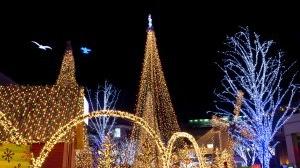
- If you're feeling festive, you can go downtown to the Milwaukee Holiday Lights Festival.
- Don't forget your classics, such as sledding, cross-country skiing, and snowshoeing!
Before you go, your RA will hold a meeting, so if you have any questions make sure to let them, or us, know!
UWM 2018 Fall Welcome!
You've probably noticed the large posters covering your residence hall, and you may be wondering what exactly that's all about. Every year at UWM we kick off the year with Fall Welcome! There are so many amazing - and free - events for you to partake in, that you'll have an amazing time and make a ton of new friends. If you can't decide from all of the super fun options, I'll highlight some of the events below!
Here is a link to the full schedule!
 On August 30th, from 10:30 a.m. to 5:00 p.m., there is an IKEA Trip! Buses will begin loading at the Union at 10:30 a.m.
 On September 1st, you can participate in Escape Room in the Third Ward! This event runs from 1:30 p.m. to 6:00 p.m.
Also on September 1st is the Campus Campout! This runs from 7:00 p.m. until 11:00 p.m. on the Sandburg Lawn! With free s'mores, hammocks, and yard games, there's no way to go wrong! If you have a guitar, feel free to bring it with.
From 12:00 p.m. to 5:00 p.m. on September 2nd there's free boat tours! It's a perfect time to go out on the water with friends before it gets too cold to. These fill up fast, so make sure to get your spot! Registration starts a half hour before each tour.
 To coincide with the IKEA Trip is a Target Trip! This is my personal favorite at Fall Welcome! Buses begin loading at 9:30 p.m. outside of Sandburg on September 2nd. Be sure to go and get discounts and free snacks! This is perfect if you forgot to bring something to college, thought of something else you need, or just want to look around.
On September 3rd, be sure to check out the Brewers game! Transportation is provided and it's free, so be sure to show up in your Brewers or MKE gear!
 If sports aren't your thing, also on September 3rd is the trip to the Milwaukee Art Museum! This is one of my personal favorite spots in Milwaukee, and again, it's free! The buses depart from the Union at 1:00 p.m., so make sure to get there at 12:30 or earlier.
On September 7th is the Panther Street Festival! This is as fun as it sounds, with free food (are you noticing a trend?), activities, and more, and is followed by Pantherfest featuring Khalid!
Head to the Milwaukee Zoo on September 8th! Space is limited, so make sure to show up early!
This is only a small list of all the great things we have to offer during Fall Welcome! Make sure to check out the full list, and let us know your favorites!
Here is a link to the full schedule!
On August 30th, from 10:30 a.m. to 5:00 p.m., there is an IKEA Trip! Buses will begin loading at the Union at 10:30 a.m.On September 1st, you can participate in Escape Room in the Third Ward! This event runs from 1:30 p.m. to 6:00 p.m.Also on September 1st is the Campus Campout! This runs from 7:00 p.m. until 11:00 p.m. on the Sandburg Lawn! With free s'mores, hammocks, and yard games, there's no way to go wrong! If you have a guitar, feel free to bring it with.
From 12:00 p.m. to 5:00 p.m. on September 2nd there's free boat tours! It's a perfect time to go out on the water with friends before it gets too cold to. These fill up fast, so make sure to get your spot! Registration starts a half hour before each tour.
To coincide with the IKEA Trip is a Target Trip! This is my personal favorite at Fall Welcome! Buses begin loading at 9:30 p.m. outside of Sandburg on September 2nd. Be sure to go and get discounts and free snacks! This is perfect if you forgot to bring something to college, thought of something else you need, or just want to look around.On September 3rd, be sure to check out the Brewers game! Transportation is provided and it's free, so be sure to show up in your Brewers or MKE gear!
If sports aren't your thing, also on September 3rd is the trip to the Milwaukee Art Museum! This is one of my personal favorite spots in Milwaukee, and again, it's free! The buses depart from the Union at 1:00 p.m., so make sure to get there at 12:30 or earlier.On September 7th is the Panther Street Festival! This is as fun as it sounds, with free food (are you noticing a trend?), activities, and more, and is followed by Pantherfest featuring Khalid!
Head to the Milwaukee Zoo on September 8th! Space is limited, so make sure to show up early!
This is only a small list of all the great things we have to offer during Fall Welcome! Make sure to check out the full list, and let us know your favorites!
UWM Move In Process
Your move-in date is quickly approaching, and you may be having a whirlwind of questions - but don't worry, read ahead and we will clear up as much as possible!
Most likely, your move-in date and time is on August 28th, 29th, or 30th. You can view your assigned move-in date and time by going into your myHousing portal, and viewing your housing assignment. To make the process run as smoothly as possible, we ask that you don't show up more than 15 minutes early, and no more than 45 minutes late.
Here at UWM, we take safety very seriously - I would like to point out that we do have a GuestPass system. The exception to this system will be when you move in. Your helpers/guests won't need a Guest Pass unless if they are entering the building past 7:00 p.m. If you are interested in pre-registering for a Guest Pass, here is the link!
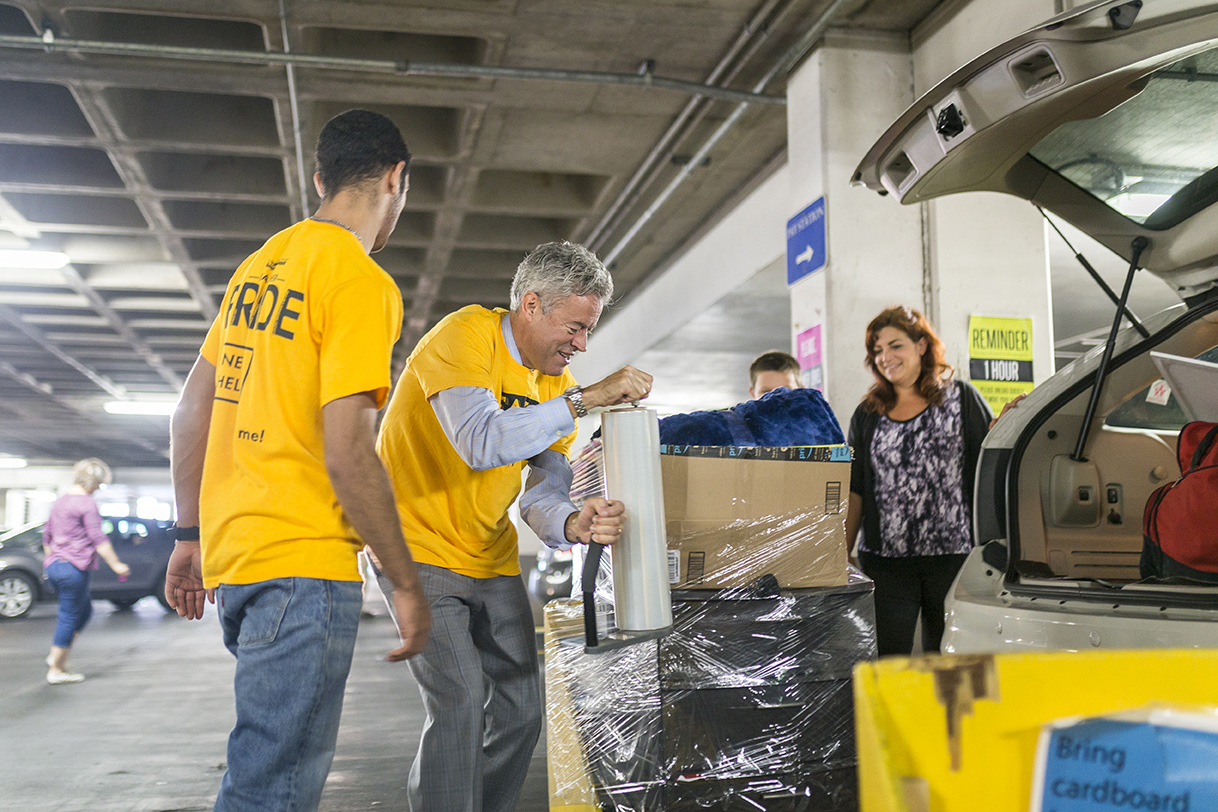
I know the thought of move in can be very stressful for incoming students and their families, but I promise the process is extremely efficient! There are volunteers there to help you all along the way, directing you on where to go and there for you to ask any questions to.
If you are living in Cambridge Commons, here is a link to more detailed information to that move-in process. If you are living in Sandburg, you can access that information here. Both of these links will provide directions and more!
Below are some insider tips and tricks to help you out with move-in!
Most likely, your move-in date and time is on August 28th, 29th, or 30th. You can view your assigned move-in date and time by going into your myHousing portal, and viewing your housing assignment. To make the process run as smoothly as possible, we ask that you don't show up more than 15 minutes early, and no more than 45 minutes late.
Here at UWM, we take safety very seriously - I would like to point out that we do have a GuestPass system. The exception to this system will be when you move in. Your helpers/guests won't need a Guest Pass unless if they are entering the building past 7:00 p.m. If you are interested in pre-registering for a Guest Pass, here is the link!
I know the thought of move in can be very stressful for incoming students and their families, but I promise the process is extremely efficient! There are volunteers there to help you all along the way, directing you on where to go and there for you to ask any questions to.
If you are living in Cambridge Commons, here is a link to more detailed information to that move-in process. If you are living in Sandburg, you can access that information here. Both of these links will provide directions and more!
Below are some insider tips and tricks to help you out with move-in!
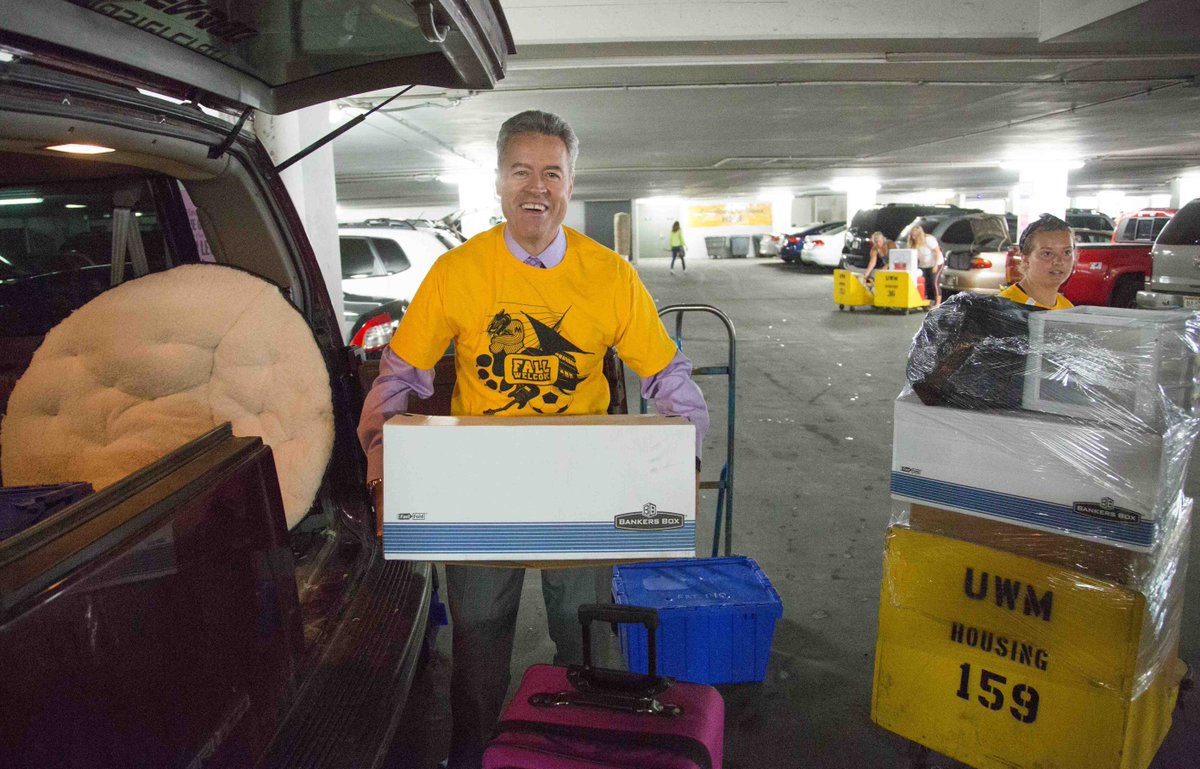
- If possible, pack in things that can stack. We have yellow carts that are available for you to use, then a volunteer will use giant cling wrap to hold it together, thus minimizing the amount of trips you need to take!
- If you have not yet ordered a loft but decide you want one once you have moved in, there is a table in the lobby of the building you can visit to request this loft. Otherwise, throughout the year you can request to have a loft given to you or taken away by filling out a work order.
- Due to our parking garages, trailers and extended pick-up trucks most likely will not fit. Each family is allotted two vehicle spaces in the parking garage - you are not charged for parking during move-in!
- If you're worried about forgetting something - don't be! Someone can always bring and/or send any items you may have forgotten. We even have an awesome Target Trip and an IKEA Trip during Fall Welcome, which is another great option if you think of something else you need or want! You may even get a discount. 😉
- Have fun! Be excited! You're moving onto college and into your new home!
As always, feel free to contact us with any questions you might have!
What to Pack & Measurements
As move in day approaches, you may be trying to make sure you have everything you need! Another prominent question may be what fits - and what doesn't? Below, I'll share a list of what to pack, along with measurements, to hopefully help you get ready for college!
What To Bring:
Cambridge Commons Measurements:

Traditional Towers (North, South, and West) Measurements:

As always, if you have any questions, don't hesitate to reach out!
What To Bring:
- Twin XL Sheets and Bedding
- Clothes Hangers
- Towels/Washcloths
- Toiletries/Toilet Paper (You are responsible for bringing your own!)
- Cleaning Supplies (You're responsible for cleaning the bathroom, too!)
- Hamper/Clothes Bag/Basket & Laundry Detergent
- Dishes
- An Umbrella (Trust me, you'll use it!)
- Room Decorations (It's your home for the next 9 months!)
What NOT To Bring:
- Microwave (Microwaves are only allowed in Cambridge Commons, and they must be 700 Watts or less!)
- Toaster/Pizza Oven/Sandwich Maker (These items are only allowed if you are in a suite with a full kitchen, such as a Cambridge Commons Upgrade, and they must stay in the kitchen!)
- Halogen Lamps/Lamps with Plastic Lampshades (These are a policy violation!)
- Candles
- Anything Combustible
- Pets (Except Fish)
- Alcohol (If Underage)
- Illegal drugs
- Weapons
- Space Heaters
- Appliances with Exposed Heating Elements
What You Could Bring, But You Don't Need To:
- Coaxial Cable (If you're bringing a TV)
- Throw Rugs
- Fan
- Hot Pot
- Coffee Maker
- Power Strip/Extension Cords
- Additional Seating (Bean bag chair, folding chair, etc.)
- String lights
Cambridge Commons Measurements:
Traditional Towers (North, South, and West) Measurements:
As always, if you have any questions, don't hesitate to reach out!
The Wisconsin State Fair
Today, August 2nd, is the kick off to the Wisconsin State Fair! If you're in the Milwaukee area - or don't mind the drive - below, I'll highlight some of the great events you can check out!

The State Fair has a variety of free stages with entertainment, and with acts from comedians to jugglers, it's a great family-friendly option!
 Make sure to check out the Main Stage that has some pretty amazing artists on the line-up - from Alice Cooper to Casting Crowns, and TLC to Foreigner, you're almost guaranteed to find someone you love!

There are more than 30 free stages of entertainment at the Wisconsin State Fair, and the Associated Bank Amphitheater is the Fair's largest free stage, and has some great acts as well - I'll be sure to go see Here Come the Mummies for a second time!
The Fair has a variety of attractions other than music - there's art displays for your inner creative genius, a variety of rides, and the Barnyard if you need your cute animal fix.
 While you're there, make sure to grab some great fair food - there are more than 50 vendors with reduced prices. I'll be sure to stop by and grab some food on a stick, and a cream puff!
For more detailed information on the Wisconsin State Fair, don't hesitate to check out their website, and let us know what you're most excited about!
 Make sure to check out the Main Stage that has some pretty amazing artists on the line-up - from Alice Cooper to Casting Crowns, and TLC to Foreigner, you're almost guaranteed to find someone you love!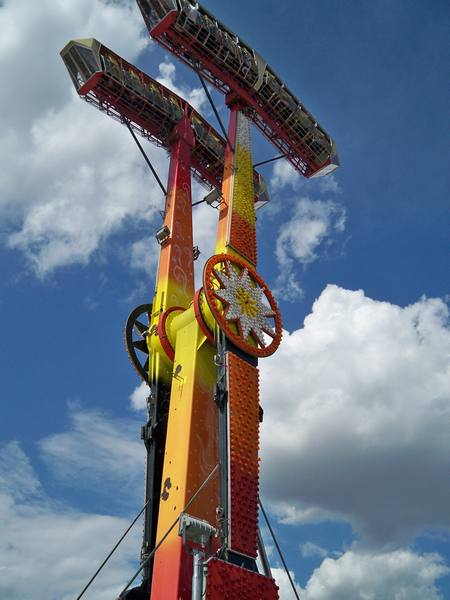
There are more than 30 free stages of entertainment at the Wisconsin State Fair, and the Associated Bank Amphitheater is the Fair's largest free stage, and has some great acts as well - I'll be sure to go see Here Come the Mummies for a second time!
The Fair has a variety of attractions other than music - there's art displays for your inner creative genius, a variety of rides, and the Barnyard if you need your cute animal fix.
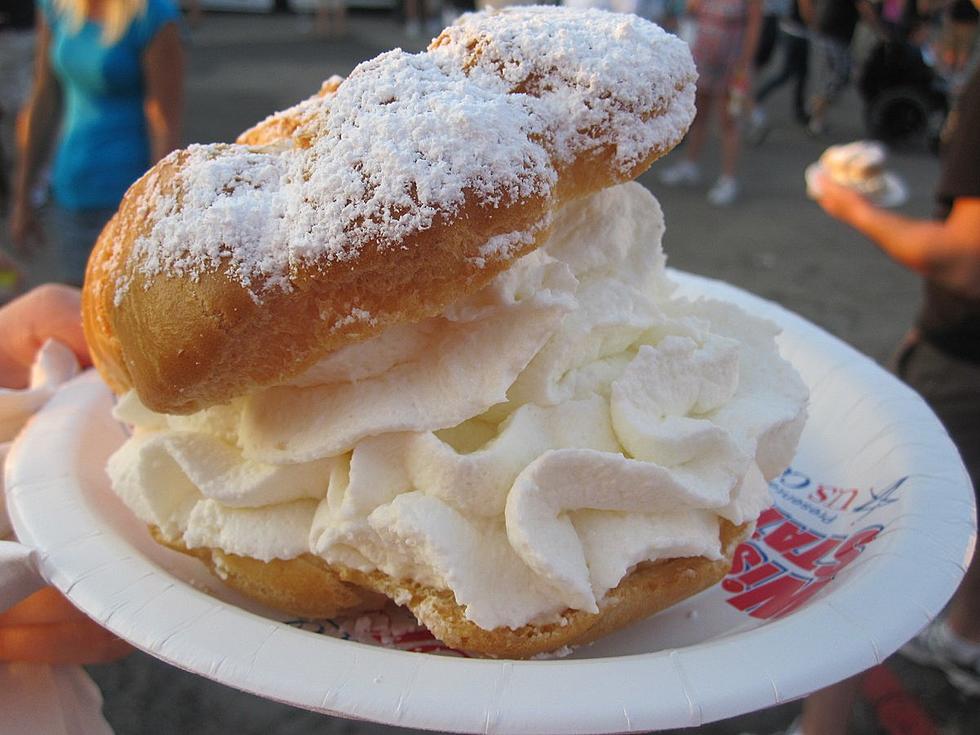 While you're there, make sure to grab some great fair food - there are more than 50 vendors with reduced prices. I'll be sure to stop by and grab some food on a stick, and a cream puff!
For more detailed information on the Wisconsin State Fair, don't hesitate to check out their website, and let us know what you're most excited about!
Subscribe to:
Comments
(
Atom
)